
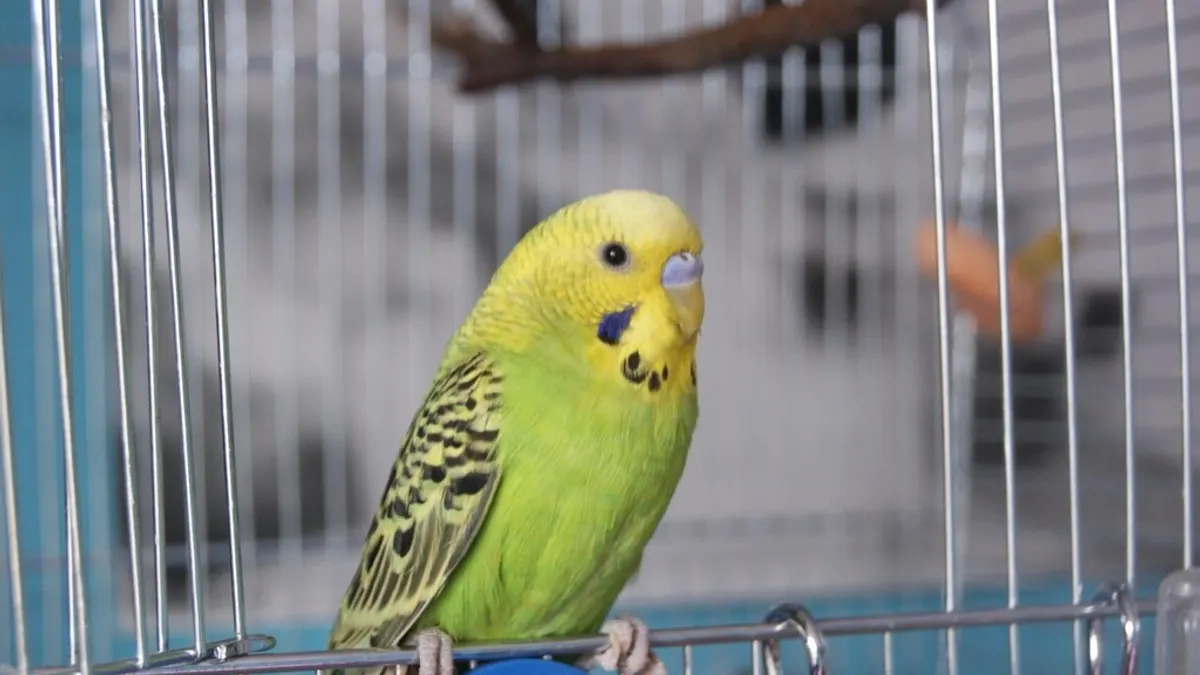
Bird Cage Buying Guide: Size, Spacing, Material, Doors, Tray and Price, in Order
Affiliate disclosure: product links on this page go to Amazon, or to the maker's own store for brands that sell only direct. As an Amazon Associate we earn from qualifying purchases, at no extra cost to you; a link to a maker's store earns us nothing. No retailer or brand sees our picks before they are published or has any say in them. How we choose.
A cage is bought once and lived in for years, and the listing is written to sell the box, not the bird's life in it. This guide is the order of checks we run on every cage in our species guides, with the source for each: the species minimum from the Merck Veterinary Manual's table and VCA Animal Hospitals' housing pages, bar spacing and gauge from the same table and the maker, material from VCA and the zinc research, then shape, doors, tray, stand, and only then price. Run the size checker on any cage's interior figures before paying; most cages sold for a species fail its row, and the guide says so by name.
1. The species minimum, from the tables
Merck's table gives a minimum cage and a bar spacing per bird; VCA's housing pages give a second set in feet; where they differ, use the stricter. Both are floors for one bird, and both sources say bigger is better and that the cage should be wider than it is tall for most parrots. The size guide has every row; the short version:
| Bird | Merck minimum (W x D x H in) | VCA minimum (ft) | Merck bar spacing |
|---|---|---|---|
| Finch, canary | 12 x 12 x 24 (VCA/PetMD figure) | 1 x 1 x 2 | 1/4 to 3/8 (retail charts; VCA: small enough that the head cannot pass) |
| Budgie, lovebird, parrotlet, cockatiel | 20 x 20 x 30 | 1 x 1 x 2 (budgie); 2 x 2 x 3 (cockatiel, lovebird, parrotlet) | 1/2 |
| Conure, caique, Senegal | 36 x 24 x 48 | 3 x 3 x 3 | 3/4 |
| African grey, Amazon, small cockatoo | 40 x 30 x 60 | 3 x 3 x 4 (grey, Amazon); 2 x 3 x 4 (small cockatoo) | 1 |
| Large cockatoo | 40 x 30 x 60 | 4 x 4 x 4 | 1 |
| Macaw | 48 x 36 x 66 | 3 x 3 x 4 (small); 4 x 5 x 5 (large) | 1 1/2 |
Measure against the interior, not the box. Prevue publishes both (its 3152 is 23 1/4 by 19 3/4 inside and 26 by 22 overall, with the stand adding height); most listings publish the overall size including the stand and seed guard, which can be ten inches taller and four inches wider than the space the bird gets. If a listing gives one number, assume it is the biggest one.
2. Bar spacing and gauge
Spacing from the table above, measured with a ruler when the cage arrives, because listings print 0.4, 0.5, 5/8 and 10 mm for cages that measure otherwise. Gauge is the bar's thickness, and the Merck table pairs wide spacing with birds that bend thin wire: Prevue states 8 or 9 gauge on its macaw and grey cages and 12 to 16 on its budgie cages, and most other makers state nothing, which is a reason to prefer the one that does. Converging bars, domed tops and scrollwork trap heads and toes (PetMD). The bar spacing guide has the species table and the retail chart beside it.
3. Material
VCA: all-metal, never wood or wicker for a parrot; painted cages chip and some older coatings contain zinc; electroplated is the safer painted option; uncoated stainless is preferred. Howard's 1992 JAVMA study: galvanized coating is toxic to cockatiels; brush and inspect any galvanized cage before use. Prevue states its coatings are zinc-free; few others state anything. The materials comparison prices the stainless premium; for most birds a stated zinc-free powder coat is the buy, and for a bar-chewing grey, cockatoo or macaw stainless is.
4. Shape
Rectangular, wider than tall (VCA; Merck; PetMD). Round cages give no corner and little length. A playtop is a stand the bird uses when the door is open, not cage space; a dometop adds height a bird rarely uses. Corner cages give a shy bird two walls. Length is the dimension that lets a bird fly, and it is the one most cages are shortest on.
5. Doors and locks
A door big enough to lift a bird out on your hand without folding it; feeder doors so dishes change without opening the main door; latches a beak cannot work, and locks on a large parrot's cage (Prevue fits two styles on the Imperial). A parrot that lets itself out meets every hazard on the safety checklist.
6. Grille and tray
A removable grille that keeps the bird off the droppings and a tray that pulls out with the cage closed, so the daily paper change (VCA) happens without the bird out. A seed guard around the base is a floor item. Half-width trays and grilles (Prevue's Imperial) come out through a door that does not need the room cleared.
7. Stand
Casters, so the cage moves to the family by day and the dark by night (the placement guide); a shelf; a height that puts the top perch about at your eye level (PetMD's chest height). A cage sold without a stand is a cage on a table, which is where a cat sits.
8. What listings hide
| Listing says | Check |
|---|---|
| "For parakeets to macaws" | No cage is; find the spacing and size and match one bird |
| One dimension set | Overall with stand; ask for interior |
| "Non-toxic coating" | Ask for the zinc-free statement in writing; Prevue publishes one |
| "Wrought iron" | Means coated steel; the coating is the question |
| "Stainless steel" | Ask the grade (304 is the food grade); magnets are a rough screen only |
| "Outdoor aviary" | Read the care note; some say keep out of rain |
| "0.4 inch" or "5/8 inch" | Measure on arrival; return if it is not what the bird needs |
| Star ratings | Not a measurement of anything on this page |
9. Price by size class, October 2026
| Class | Example | Interior or overall (in) | Spacing | Price |
|---|---|---|---|---|
| Finch or budgie starter | Prevue Parakeet Manor; Prevue SPF0610 | 12 x 9 x 16; 30 x 18 x 18 | 3/8 | $27 to $80 |
| Budgie or cockatiel flight | Prevue F040; Yaheetech 52 | 30 1/4 x 20 1/4 x 40 interior; 31 x 20.5 x 37 | 1/2; 5/8 | $72 to $190 |
| Conure | Prevue F050; Yaheetech 60 flight | 36 1/8 x 22 1/8 x 47 interior; 37 x 22.5 x 44.5 | 1/2; 5/8 | $186 to $300 |
| Grey or Amazon | Prevue 3154; Mcage XXL; Flyline corner XL | 34 1/2 x 22 3/4 x 36 1/2 interior; 36 x 28 x 52 interior; 51 x 51 x 73 overall | 3/4 to 1 | $390 to $760 |
| Macaw | Prevue Empire 3157; Seny double | 45 3/8 x 35 3/8 x 63 interior; 64 x 32 x 73 overall | 1 to 1 3/8 | $830 and up (Empire at retailers) |
| Stainless | Prevue Imperial 3457 | 39 1/4 x 25 7/8 x 60 interior | 1 | About $1,000 |
| Walk-in aviary | A&E WI8662 | 86 x 62 x 79 overall | 1 | $2,738 |
Prices are what the listings and makers showed on October 9, 2026; every example is in a species guide with its shortfalls against the table stated. The pattern across the market is that price buys length and gauge, and that the cages sold for a species at the low end of its price class are under its Merck row; the cockatiel, conure and macaw guides say which.
10. The order, again
Species row first. Spacing and gauge second. Material third. Then shape, doors, tray, stand. Then the listing's traps. Then price. A cage that passes the first three and costs more than the one that fails them is the cheaper cage, because it is bought once.
Frequently asked questions
What size bird cage do I need?
The Merck table's minimum for the species (20 by 20 by 30 inches for a budgie or cockatiel, 36 by 24 by 48 for a conure, 40 by 30 by 60 for a grey or Amazon, 48 by 36 by 66 for a macaw), checked against VCA's figures and against the cage's interior, not its box. Bigger is better; wider beats taller.
How do I know the bar spacing is right?
From the Merck table (1/2 inch budgies to cockatiels, 3/4 conures, 1 greys and Amazons, 1 1/2 macaws) and from a ruler when the cage arrives. Listings print 0.4, 0.5 and 5/8 inch loosely. Thin bars a bird can bend are a wider gap.
Is a powder-coated cage okay?
VCA prefers uncoated stainless and says painted cages chip and older coatings can contain zinc. A current powder coat from a maker that states it is zinc-free (Prevue does) is the usual buy; stainless for a bird that chews bars.
What does the listing's size mean?
Usually the overall size with the stand and seed guard, which can be ten inches taller and four wider than the interior. Prevue publishes both; for other makers, ask for the interior or subtract the stand.
How much should a bird cage cost?
In October 2026: $27 to $80 for a finch or budgie starter, $72 to $190 for a budgie or cockatiel flight, $186 to $300 for a conure, $390 to $760 for a grey or Amazon, $830 and up for a macaw, about $1,000 for stainless, $2,738 for a walk-in aviary.
Should I buy a round or a tall cage?
No. VCA, Merck and PetMD all want rectangular, wider than tall; round cages have no corner and little length, and a dometop adds height a bird rarely uses. Length is what lets a bird fly.
Sources
- Minimum and Bar Spacing Recommendations (table), Merck Veterinary Manual
- Housing Small Birds, VCA Animal Hospitals
- Housing Large Birds, VCA Animal Hospitals
- How to Set Up the Perfect Bird Cage, PetMD (Dr. Patricia Latas, DVM)
- Providing a Home for a Pet Bird, Merck Veterinary Manual
- Howard BR. Health risks of housing small psittacines in galvanized wire mesh cages. J Am Vet Med Assoc 1992;200(11):1667-74, Journal of the American Veterinary Medical Association (PubMed)
- FAQs: Bird Cages, Prevue Pet Products
- Playtop Bird Home 3152, Prevue Pet Products
Related guides
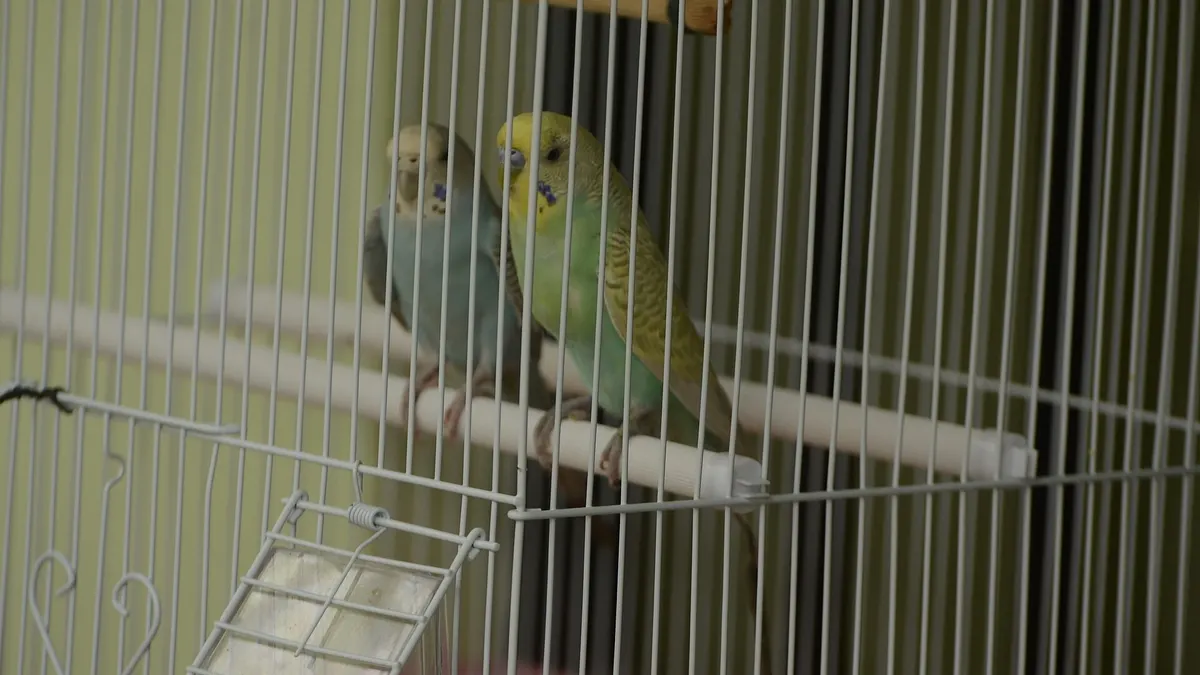
Bird Cage Bar Spacing Guide: The Right Gap for Every Species, and Why
The Merck bar-spacing figures by species, the finger test, why gauge matters as much as gap for big birds, and cages that match each figure.
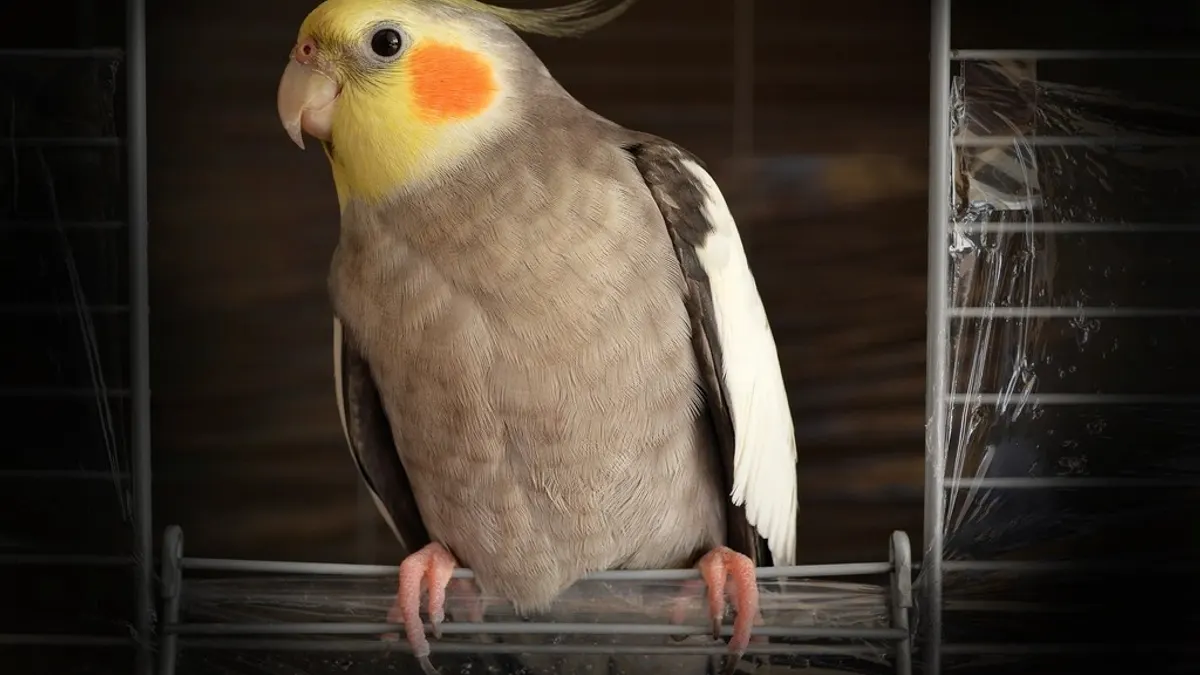
Bird Cage Cleaning and Disinfecting Guide: Daily, Weekly and the Full Sequence
The daily routine from VCA and PetMD, the CDFA's six-step deep clean with label-only disinfecting, and the products and fumes to keep out of a bird room.
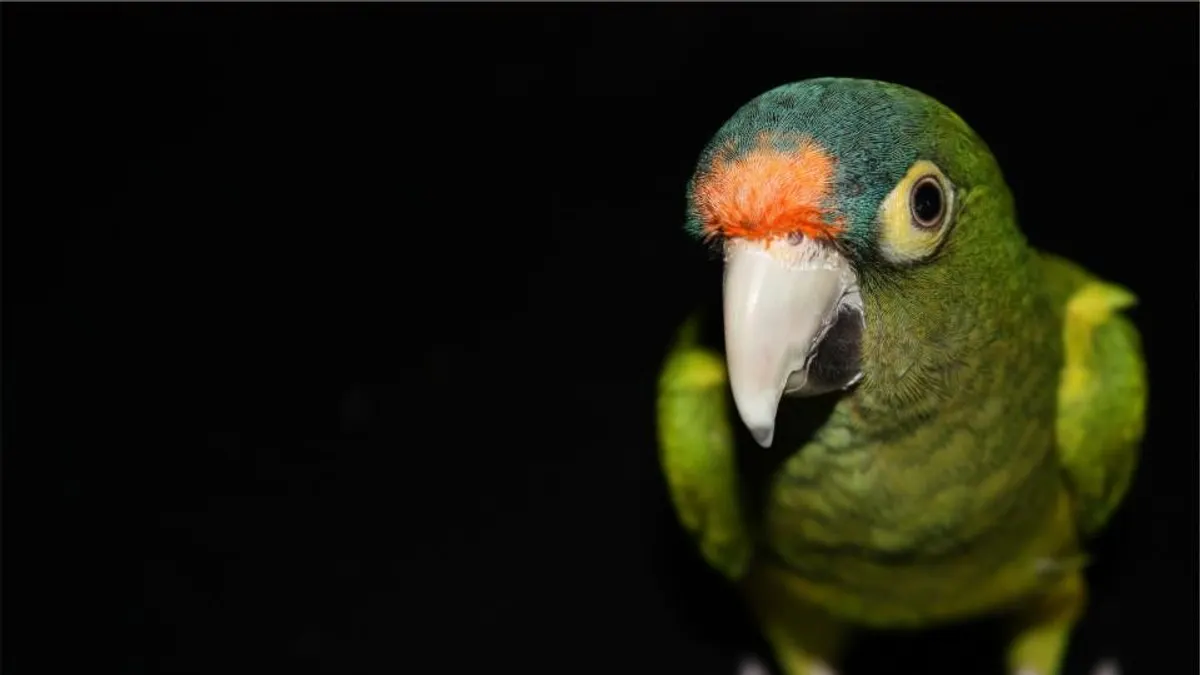
Bird Cage Safety Checklist: The Cage, the Hardware and the Room, from the Vets
Twenty-eight checks on the cage, its hardware, its contents and the room, each with the avian source behind it, from bar spacing to non-stick pans.